Reels are made and remade nearby
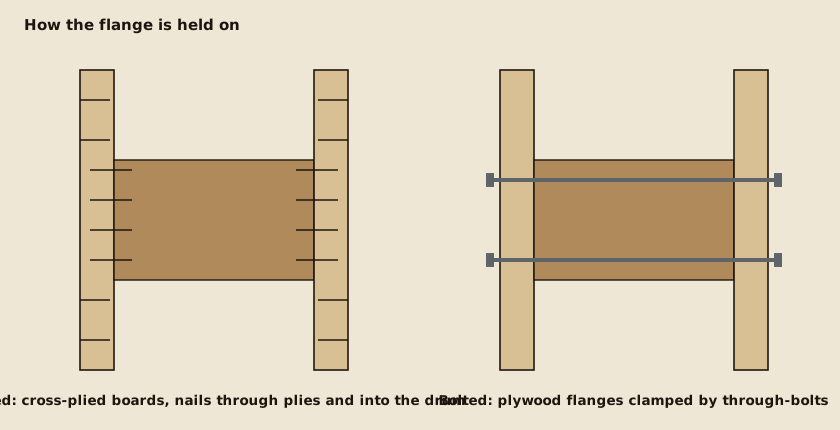
The reel trade in North Texas is unusually local. Madem-Moorecraft runs a reel plant in Denton of more than 200,000 sq ft, added a second nailed-reel line in February 2025, and recycles wooden reels as part of the operation. Lone Star Reel, with plants in McKinney and Bonham, has been part of the Carris reel group since 2016. Sonoco, one of the largest reel makers in North America, notes that its nailed reel flanges are returnable and can be refurbished. That matters for recycling: a reel built in the region has a better chance of being repaired, refilled or remade in the region too.
The four outlets for reel wood
- Reel repair and refurbishment. Sound flange boards, staves and arbor plates salvaged from broken reels become parts for repairs.
- Mulch and landscape products. Clean, nail-free reel wood is ground and screened. North Texas landscape demand is large, and grinders take reel wood when it's free of paint and contamination.
- Animal bedding. Some grinders produce shavings and chips for livestock and equine bedding, which needs clean, untreated wood.
- Biomass fuel. Wood that's too mixed or weathered for mulch can go to biomass, where there's a buyer for it.
What limits recycling
- Glue. Plywood flanges are layers of veneer glued together. Many mulch and bedding outlets avoid plywood, which narrows it to fuel or specialist outlets.
- Paint and stencils. Most reel stencils are fine. Fully painted flanges, or reels coated in tar or compounds, need a separate route.
- Treatment. Most cable reels are untreated lumber. A few are made with treated wood, and treated wood shouldn't be ground for mulch or bedding.
- Metal. Nails, bolts, arbor plates and staples all have to come out. Magnets catch most of it; big plates are removed by hand.
- Contamination. Oil, cable lubricant and soil on the wood reduce what it can be used for.
Timber prices, fuel costs and seasonal landscaping demand all move what an outlet will accept in a given month, so routes change through the year.
Why the sorting matters
The value in a load of reel wood comes from sorting it well. A load of clean nailed-reel lumber with the metal removed has several possible buyers. The same wood mixed with plywood, painted flanges and pallet scraps has fewer, and sometimes only one. That's why we take reels apart instead of putting them through a grinder whole, and why we ask about oil, paint or treatment before collecting a load.
Distances matter
Wood is heavy for its value, so where it travels decides whether recycling pays. A reel load collected in Fort Worth and taken to an outlet on the far side of Dallas costs as much in diesel as the wood is worth. Grouping pickups by area, and choosing an outlet close to where the reels were collected, keeps recycling viable for ordinary loads. It's also why reels collected in Sherman, Denton or Midlothian don't all end up in the same place: each area of the Metroplex has outlets nearer to it.
Where Encore Wire reels fit
Encore Wire makes building wire in McKinney, and its reels turn up on jobs all over the Metroplex. We could find no published reel take-back program from Encore Wire, so empty Encore reels stay with whoever used the cable. Those reels can be reused or recycled through us like any other one-way reel. Our guide to whether Encore Wire takes reels back has more detail on what we checked.
Questions
Are wooden cable reels treated with chemicals?
Most are made from untreated lumber and plywood. A few have treated parts. If a reel smells of preservative or has a greenish tint, mention it.
Do you recycle reels from outside the Metroplex?
We collect in Dallas-Fort Worth and the corridor north to Sherman. Larger loads further out can be discussed.
Does recycled reel wood become new reels?
Sound boards are reused in repairs. Ground wood goes to mulch, bedding and fuel rather than new reels.
Request a pickup or a quote
Count and flange size are the two things that matter. The rest helps us plan the truck.